How to Keep Your Balance
DOFPro Team
Examples
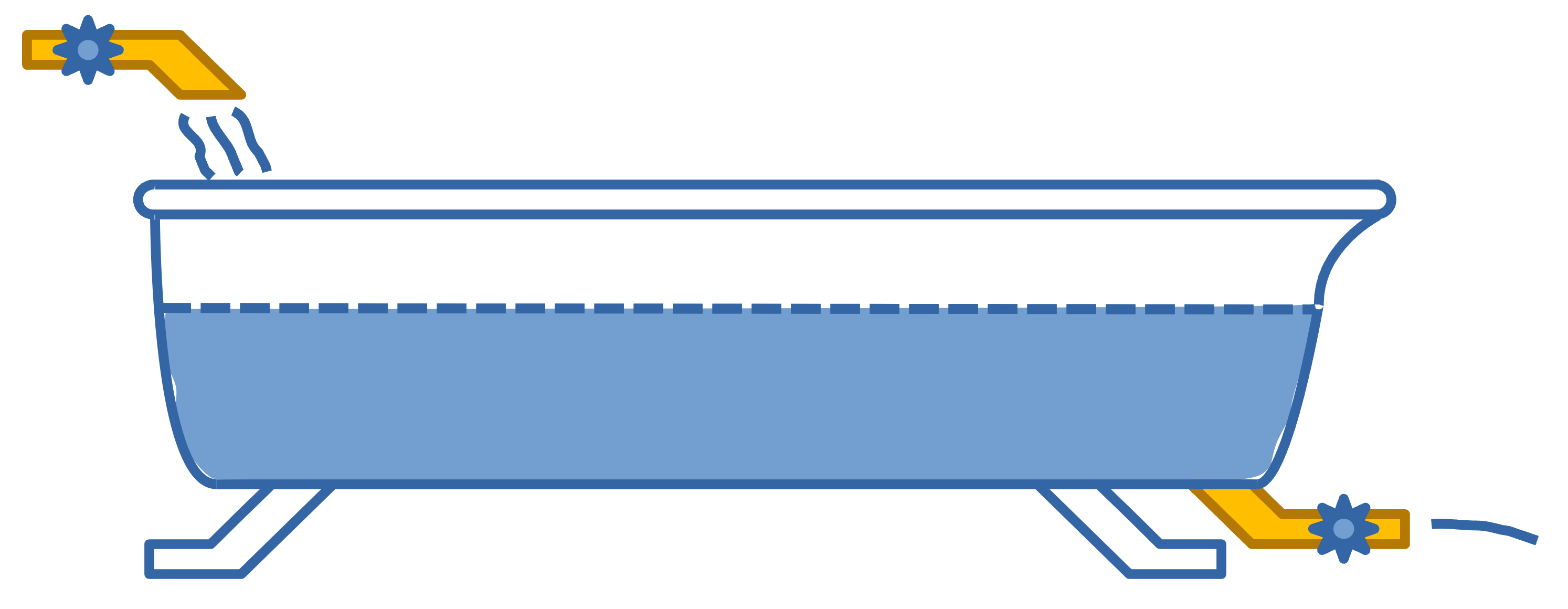
Open Transient: Fill valve full on,
Drain valve partially open, Tub is filling
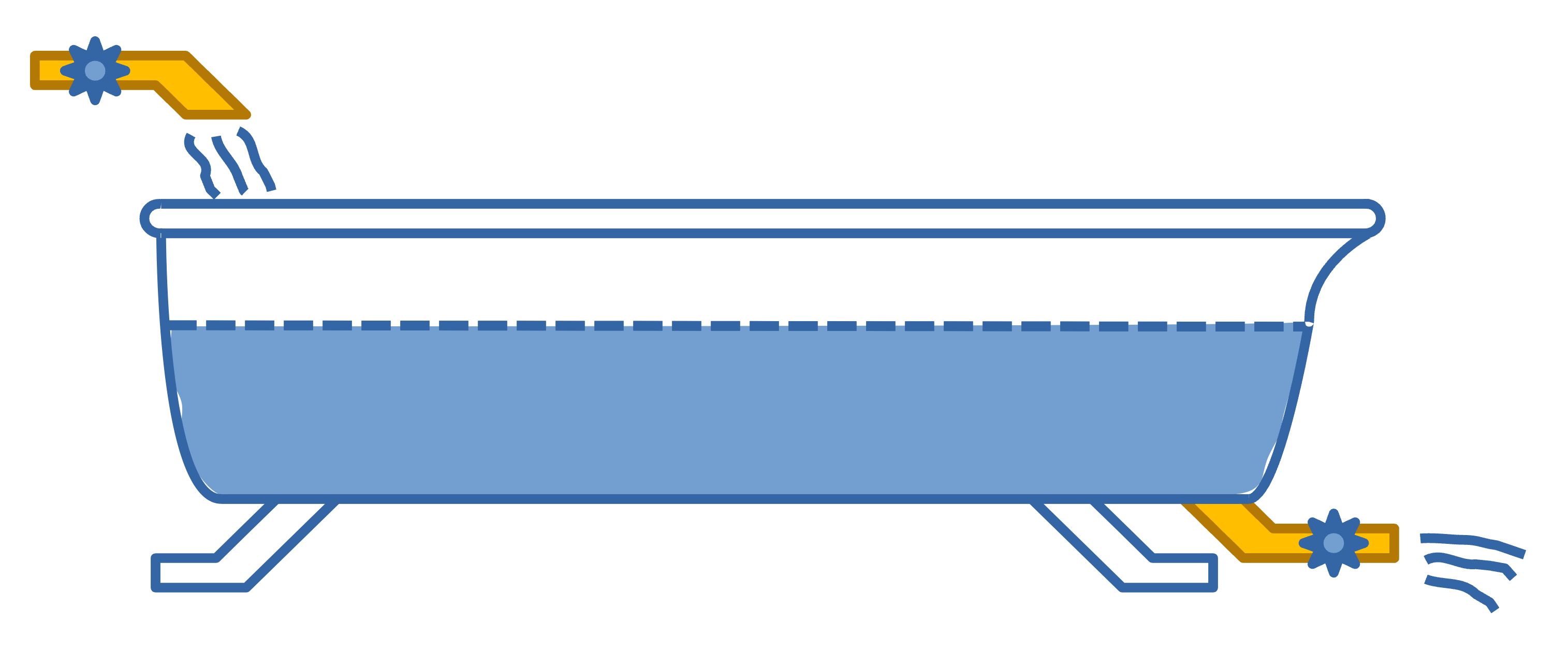
Open Steady State: Both valves full on,
\(\mathrm{flow_{in}=flow_{out}}\), Level constant
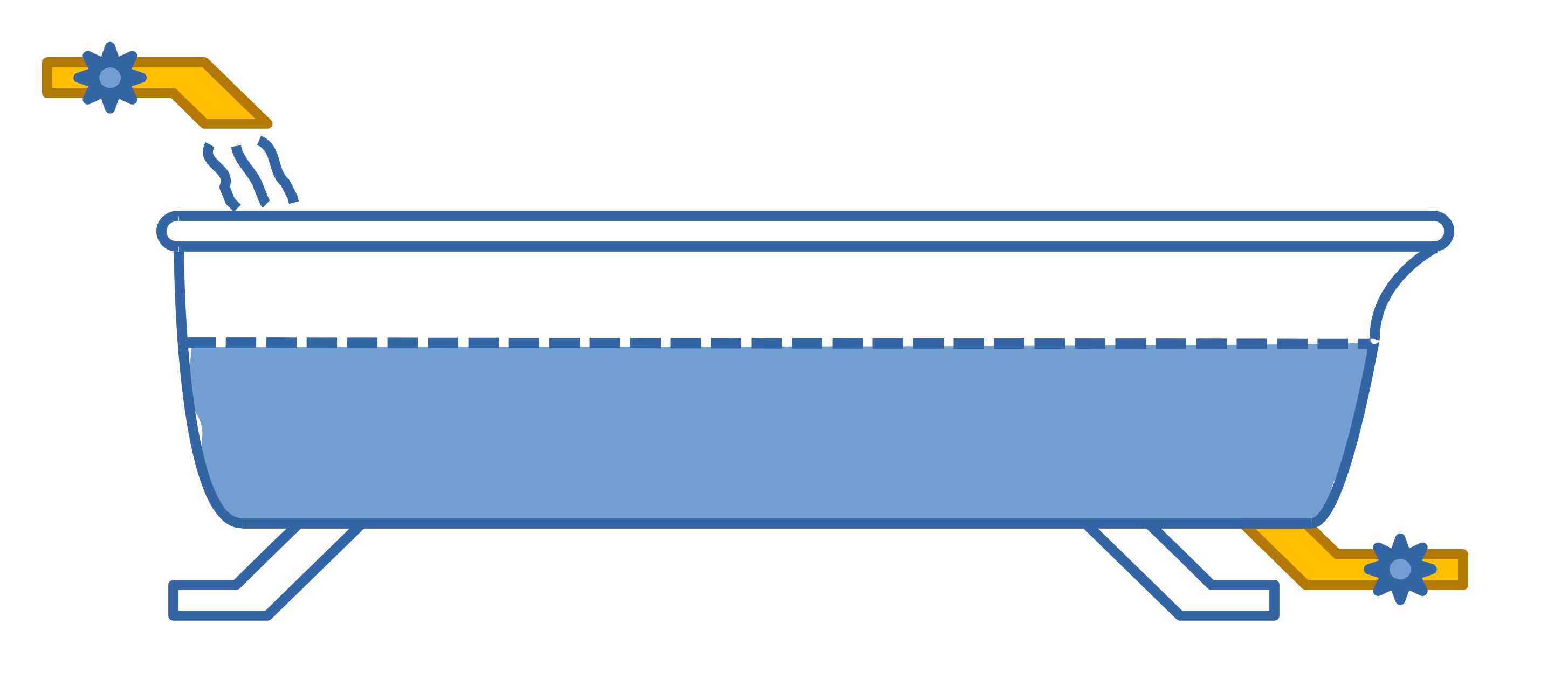
Semibatch Transient: Fill valve full on,
Drain valve closed, Tub is filling
Examples (cont.)
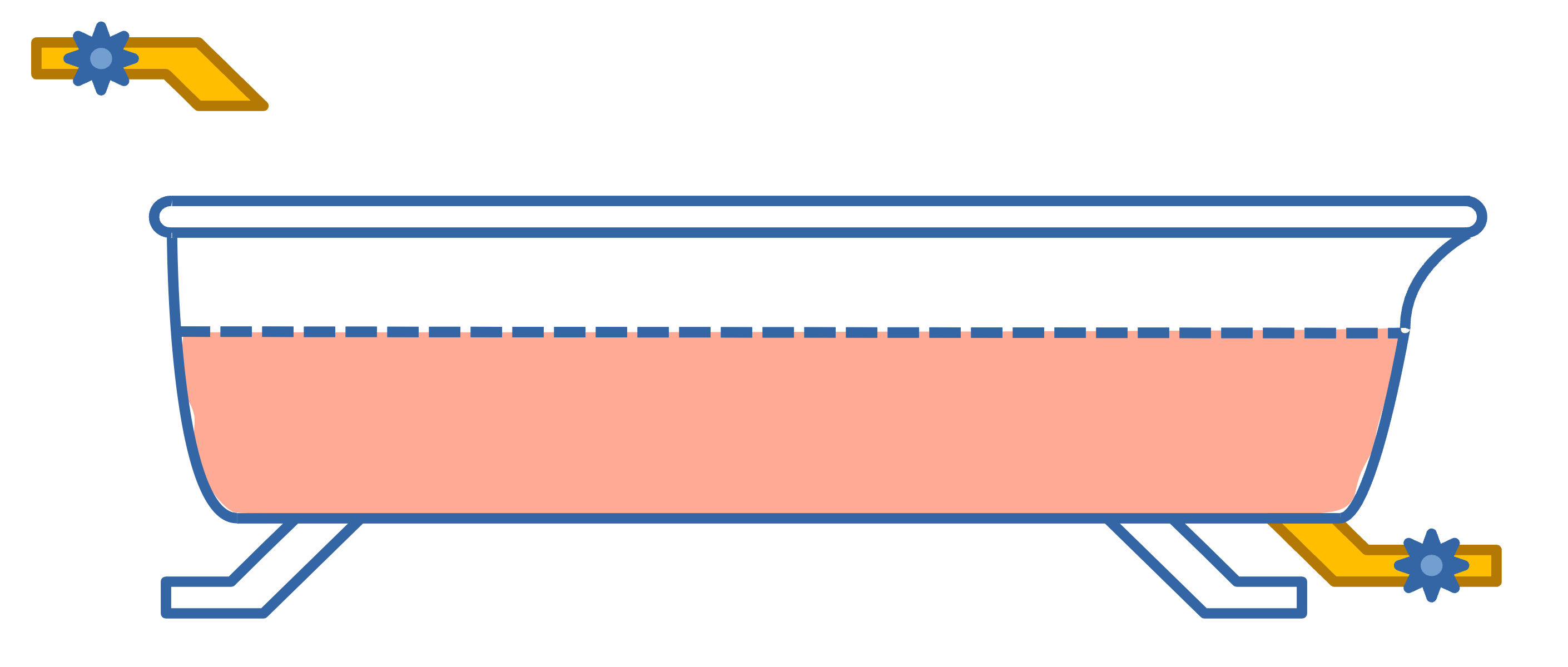
Closed transient: Both valves closed, \(T_{\mathrm{tub}}>T_{\mathrm{amb}}\),
i.e., Tub cooling, Level constant
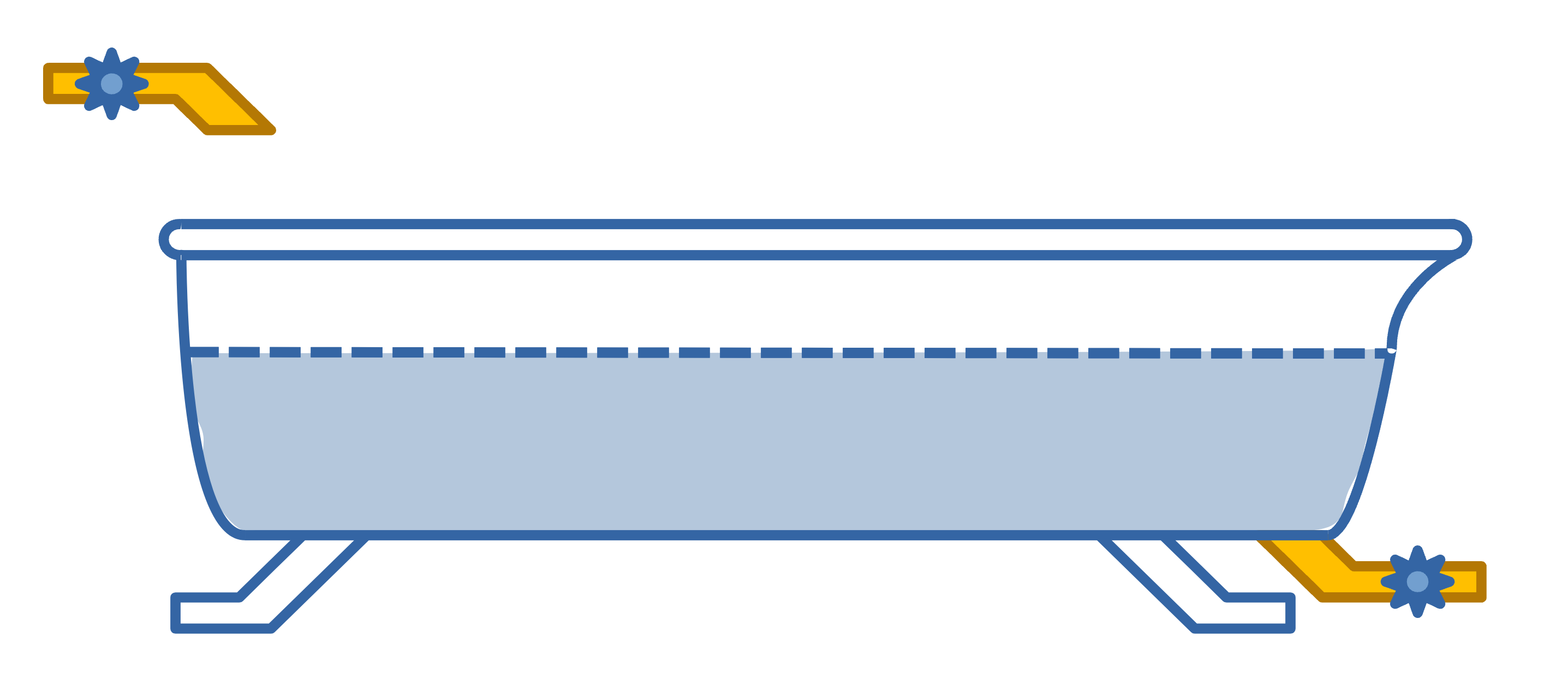
Closed steady State: Both valves closed, \(T_{\mathrm{tub}}=T_{\mathrm{amb}}\).
i.e., Room temperature, Level constant
Additional system definitions
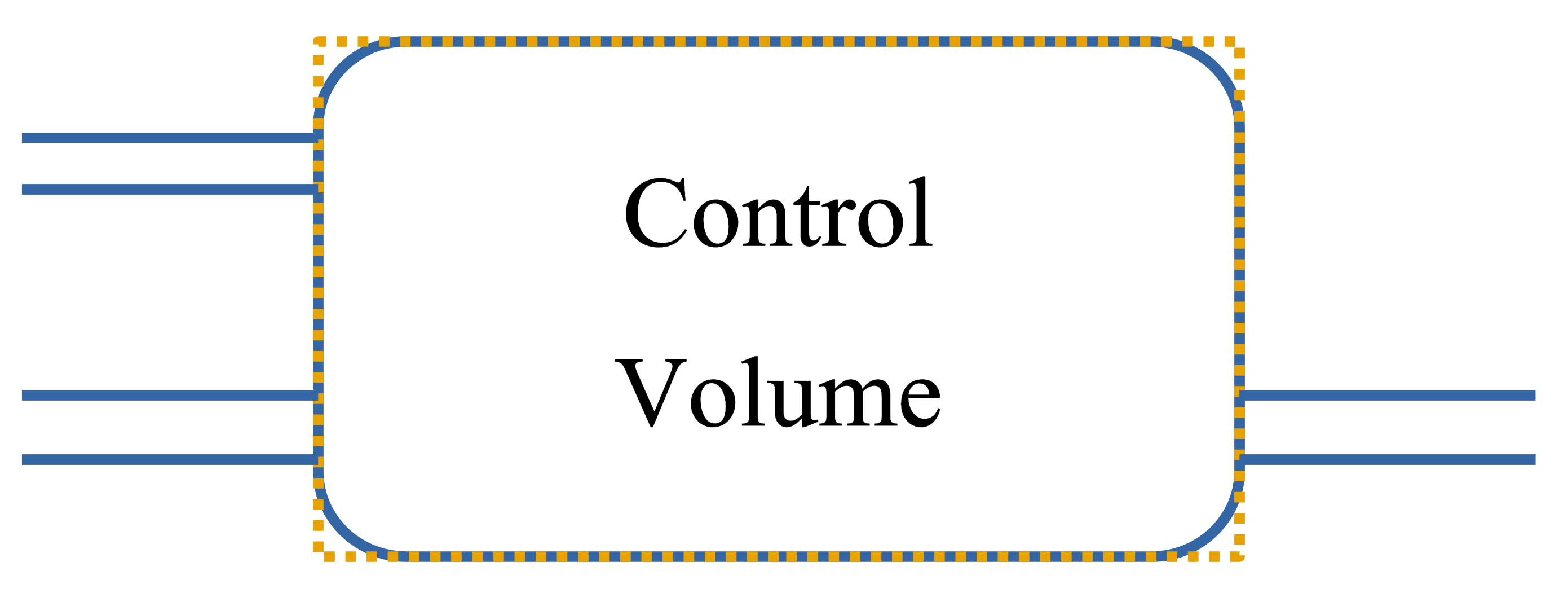
Control Volume – Fixed size and shape volume containing process
Inputs
Output(s)
← System Boundary
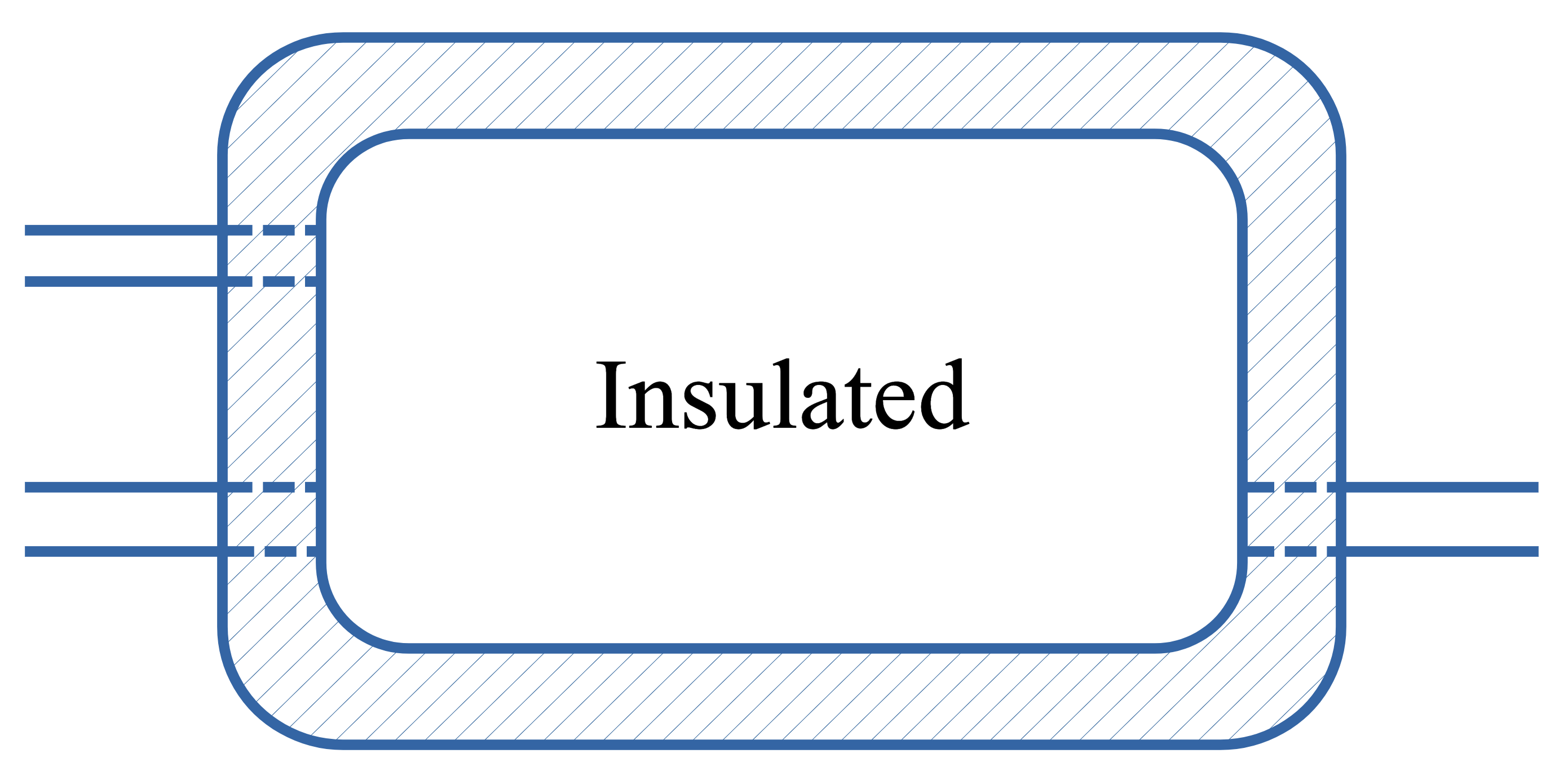
Insulated – No heat energy crosses the boundary.
Inputs
Output(s)
← Insulation
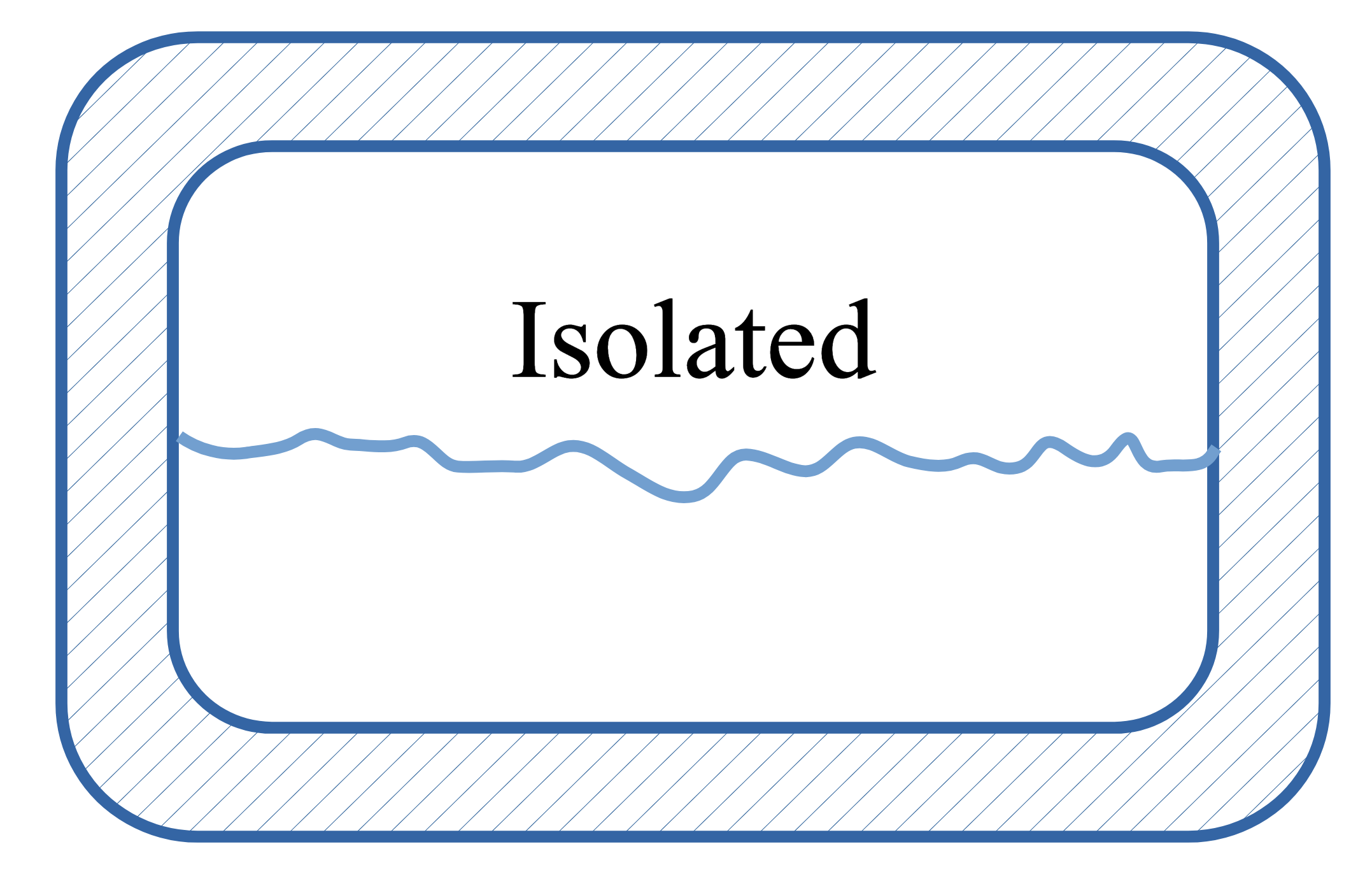
Isolated – Neither mass nor energy cross the boundary.
No Inputs
No Outputs
← Insulation
Thanks for watching!
The Full Story companion video is in the link in the upper left. The companion video in the series, Speed Balancing, is in the upper right. To learn more about Chemical and Thermal Processes, visit the website linked in the description.